Understanding why some indexed pages fail to rank in search results is crucial for website success. Despite being indexed, many pages struggle to achieve visibility, leaving users puzzled and frustrated. At Metrics Rule in Vancouver, we specialize in identifying the technical and on-page SEO issues that hinder your pages from performing well. By addressing these challenges, you can improve your page rankings and drive valuable traffic to your website.
Defining Indexing and Ranking in SEO
Indexing in SEO refers to the process by which search engines like Google and Bing analyze and store web pages in their databases. Once a page is crawled, it is indexed based on the content, metadata, and various SEO ranking factors. However, being indexed does not guarantee that a page will rank well. Ranking is determined by algorithms that assess how relevant and authoritative a page is for specific keywords. Notably, studies indicate that only about 6% of indexed pages appear on the first page of search results, highlighting the competitiveness of online visibility.
Key Differences Between Indexing and Ranking in Search Engines
The key differences between indexing and ranking in search engines involve the processes and criteria employed. Indexing is primarily about storing information for retrieval, while ranking determines the position of a page based on relevance. This involves evaluating factors such as content quality, keyword usage, and technical SEO analysis. By focusing on improving these elements, website owners can enhance their indexed pages’ performance and increase the chances of appearing higher in search results. Comprehensive keyword research and technical enhancements are essential for ensuring long-term SEO success.
Key Factors Leading to Poor Rankings Despite Indexing
Indexed pages may fail to rank due to multiple factors. Key reasons include poor content relevance, ineffective keyword placement, and low user engagement metrics. Content that doesn’t align with search intent will rank poorly, even if indexed. Also, keyword placement matters; overstuffing or inadequate use can hinder visibility. Low engagement metrics, such as high bounce rates or minimal time on page, indicate user dissatisfaction, which can negatively impact rankings.
Improving Content Relevance and Engagement Metrics
To improve rankings, focus on enhancing content relevance and user engagement. Ensure your content aligns closely with user intent and frequently searched keywords. Utilize tools that analyze keyword performance and optimize accordingly. Moreover, integrating AI can help in refining both keyword strategies and content quality. Tracking user engagement metrics provides actionable insights to enhance the visual layout, making it more user-friendly. Regularly reviewing these elements ensures ongoing improvements and a better ranking strategy.
Technical SEO Challenges Impacting Rankings
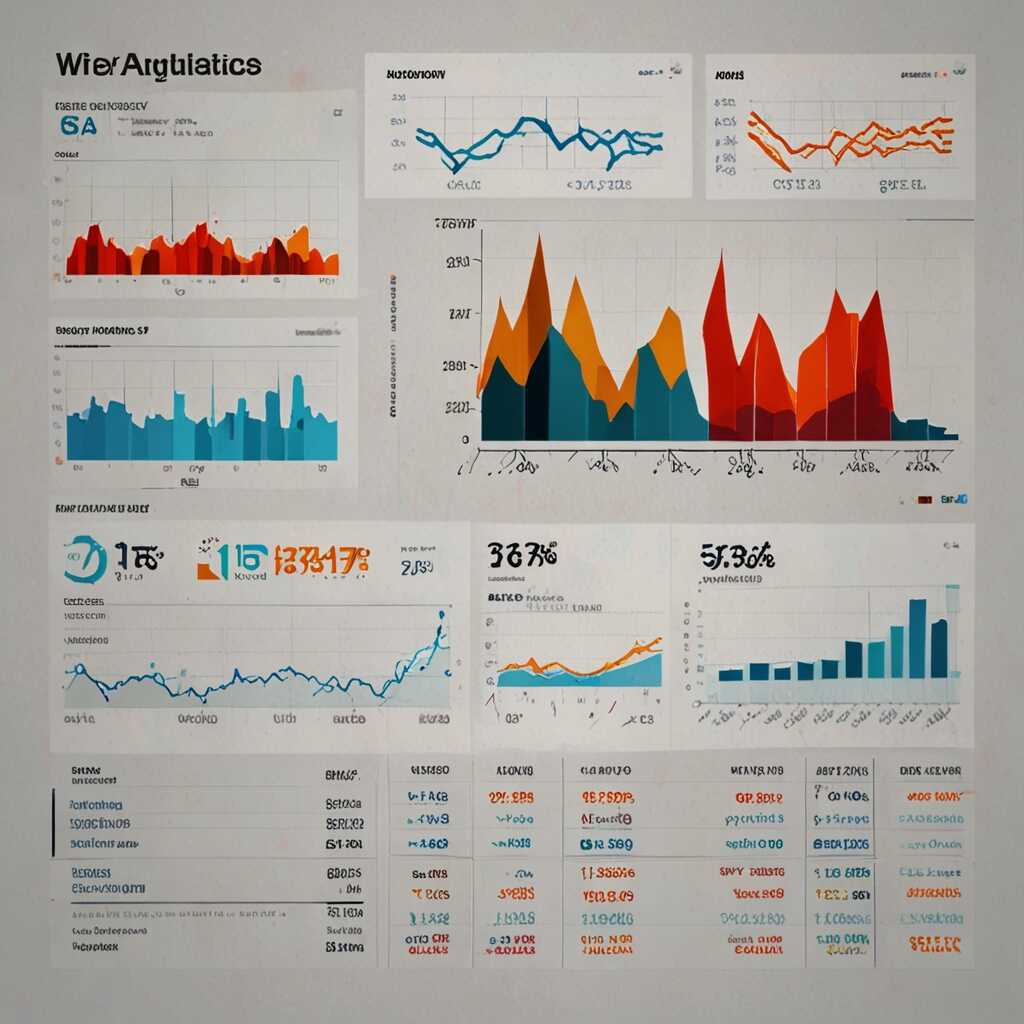
Websites often encounter numerous technical SEO challenges that hinder their ability to rank well. Common issues include improper site structure optimizing for crawling and indexing, slow page load speeds that frustrate users, and inadequate mobile optimization that affects accessibility. Additionally, technical SEO issues such as broken links and missing XML sitemaps can also harm visibility. Addressing these challenges is essential for enhancing search engine performance and user experience, ensuring greater reliability in search rankings.
Optimizing Site Structure for Better SEO Performance
Optimizing site structure is crucial for better SEO performance. A well-organized website facilitates efficient crawling and indexing by search engines. Ensure your site has a logical hierarchy, with essential pages easily accessible within three clicks from the homepage. Use a sitemap to guide search engines to your content. Provide internal linking to connect related content, which helps users and search engines find relevant pages quickly. This systematic approach enhances the overall performance, reliability, and visibility in search results.
Essential Statistics Influencing Search Visibility
- 75% of users never scroll past the first page of search results.
- Only about 5% of indexed pages rank on the first page for their target keywords.
- Page load time significantly impacts 70% of user satisfaction.
- 54% of web traffic comes from organic search results.
- Search engines index approximately 20 billion pages daily.
- SEO professionals see a 20-30% increase in traffic after fixing on-page issues.
- More than 40% of webmasters report issues with long-tail keyword rankings.
User Experience Elements Influencing Page Rankings
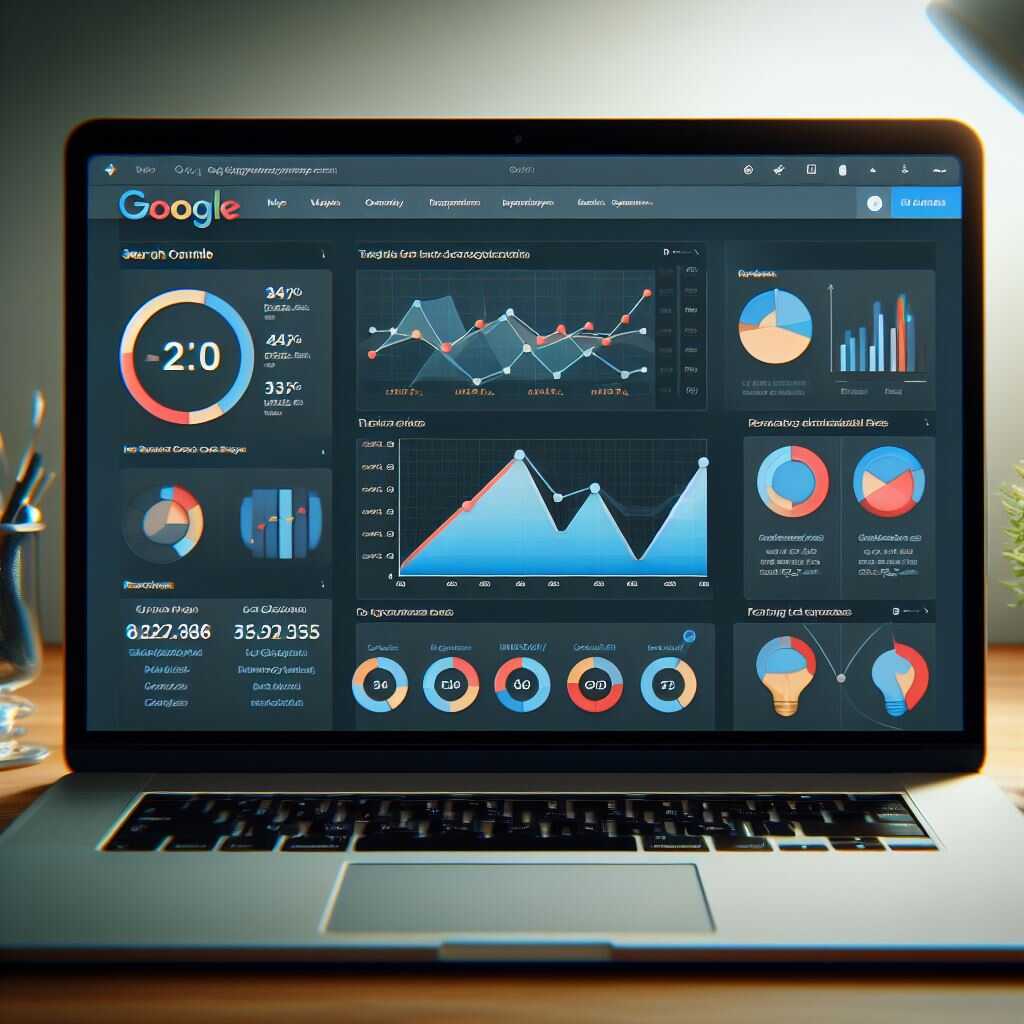
User experience elements like site navigation, mobile optimization, and website design significantly influence page rankings. Effective site navigation helps users find information quickly, leading to a lower bounce rate and longer time spent on the page, both of which are factors search engines like Google evaluate. Popular design practices such as responsive layouts and clear calls to action enhance the user experience and improve SEO performance. Many studies have shown that websites that enhance user experience can see an increase in rankings by as much as 40%.
Best Practices for Enhancing Site Navigation
To improve site navigation, consider implementing a logical structure with clear menus and breadcrumb links. This design helps users understand their location within your website, leading to a more enjoyable browsing experience. Utilizing categories and subcategories can help further streamline content access. Additionally, ensure your site is mobile-optimized, as mobile users are increasingly prominent, and search engines prioritize mobile-friendly designs. By enhancing these navigation features, you not only support user experience but also align with technical SEO best practices, which can help improve your site’s rankings significantly in search engines like Google and Bing.

Creating High-Quality Content for SEO Success
To ensure high-quality content for SEO, focus on relevant topics that attract your audience. Use keyword optimization to strategically place important keywords throughout your content. This helps improve visibility in search engines like Google and Bing. Optimizing content structure, including headings and bullet points, enhances readability. Well-structured content is easier for both users and search engines to understand, leading to higher search rankings. Research has shown that up to 75% of search traffic flows to well-optimized pages, demonstrating the importance of effective content creation.
How to Optimize Content Structure for Better Search Engine Rankings
Optimizing content structure is essential for allowing search engines to crawl and index your pages effectively. Start by using clear headings and subheadings to guide readers and search bots through your material. Include relevant internal links and bullet points to break up text, making it easier to digest. Use meta descriptions that summarize the content accurately, as these assist in click-through rates from search results. Additionally, leveraging tools like Google Analytics can help identify which structured content performs best, allowing you to refine your approach. This strategic enhancement not only improves search rankings but also elevates user engagement.
Advantages of Enhancing Page Ranking
- Improving rank increases visibility in search results, leading to more clicks.
- Higher rankings attract more relevant traffic, reducing bounce rates.
- Boosted conversion rates result from increased user engagement and trust.
- Well-ranked pages tend to generate consistent organic traffic over time.
- Better SEO practices improve site structure and user experience overall.
- Quality content development helps engage users and encourages shares.
- Enhanced rankings can lead to increased brand credibility and authority.

Effective Keyword Use to Maximize Ranking Potential
To effectively integrate keywords into your content, begin with thorough keyword research. Use tools like Google Keyword Planner, SEMrush, or Ahrefs to identify target keywords. Incorporate primary keywords naturally into headings and throughout the content, ensuring a smooth reading experience. Avoid keyword stuffing, as it diminishes content reliability. Aim for semantic variations to cover a broader range of search queries. Address keyword gaps, as these missed opportunities can noticeably improve search visibility, ensuring your pages rank higher in results.
Tools for Comprehensive Keyword Research and Analysis
When looking for tools for comprehensive keyword research and analysis, consider using SEMrush, Moz, or Google Analytics. These tools provide proven data on keyword volume, competition, and trends, enabling informed decisions. With SEMrush, for instance, you can analyze competitors’ keywords and uncover content areas to improve. By identifying keyword variations, your content can effectively target different search intents. This strategic approach enhances the possibilities of ranking in local search, particularly for businesses in Vancouver.
The Impact of Backlinks on Search Engine Rankings
Backlinks play a crucial role in search engine optimization (SEO) because they enhance a site’s authority and search rankings. Quality backlinks, which come from established and relevant sites, significantly improve your site’s reliability in the eyes of search engines like Google and Bing. Unlike merely having a high quantity of backlinks, focusing on quality ensures that the links serve a precise function. For example, backlinks from authoritative sources in your niche provide greater value than many links from low-quality sites. A great backlink strategy includes diverse anchor text relevance, which helps further diversify your link profile and improves SEO performance.
Quality Backlinks vs. Quantity of Backlinks
Understanding the difference between quality backlinks and mere quantity is essential for successful SEO. Quality backlinks come from reputable, high-authority websites relevant to your niche, enhancing your site’s trust and boosting rankings. In contrast, a large number of backlinks from low-quality sites can lead to penalties rather than improve performance. Aim for a safe range of around 30–50 quality backlinks per month to achieve optimal SEO results without risking harm to your site. As an SEO analyst based in Vancouver, I emphasize a strategic approach toward backlinks that combines relevance, authority, and effective anchor text to enhance your overall online presence.
Brands and Their Impact on Page Optimization
- Yoast SEO offers great plugins but can overwhelm new users with options.
- SEMrush delivers comprehensive insights but is costly for small businesses.
- Ahrefs provides in-depth backlink analysis, appealing to serious marketers.
- Google Search Console offers free tools, crucial for monitoring website health.
- Moz focuses on community support, useful for learning but less detailed data.
- Content marketing platforms like HubSpot educate but may restrict some features.
- Local businesses benefit from tools specific to their region’s SEO needs.
Strategies for Monitoring and Optimizing SEO Performance
Website owners should focus on several key metrics for monitoring SEO performance. These include organic traffic, keyword rankings, click-through rates (CTR), and bounce rates. Using tools like Google Analytics and SEMrush can provide valuable data that helps assess these metrics effectively. By regularly reviewing this data, users can identify trends, weaknesses, and opportunities to improve. A deeper analysis can also reveal how changes in content or website structure affect search engine rankings.
Using Tools for SEO Optimization
Leveraging tools for SEO optimization is essential for enhancing search engine rankings. Platforms like Ahrefs, Moz, and Google Search Console offer comprehensive features for tracking keyword performance, evaluating backlinks, and analyzing website health. These tools can help identify issues with crawling, indexing, and overall site performance. By continually testing and adjusting strategies based on reliable data, website owners can create targeted content that meets search engine standards, ensuring that websites rank higher and attract more traffic.